




30th ANNIVERSARY
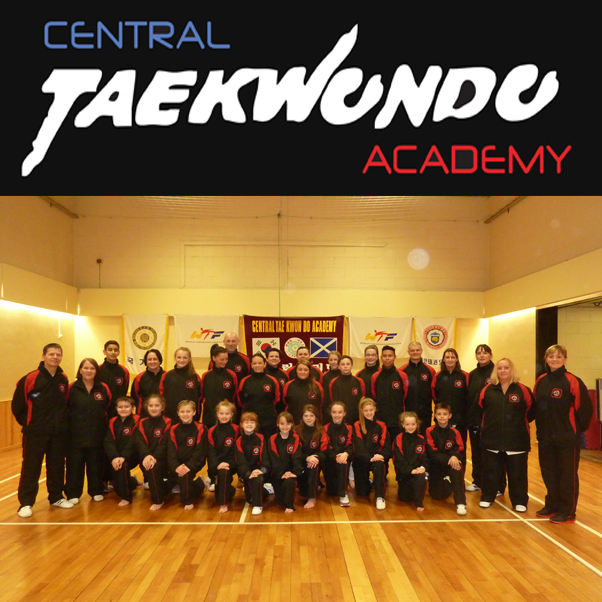
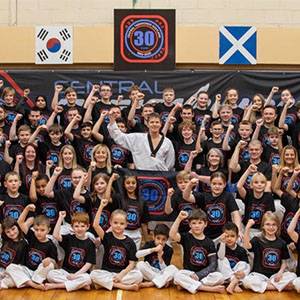
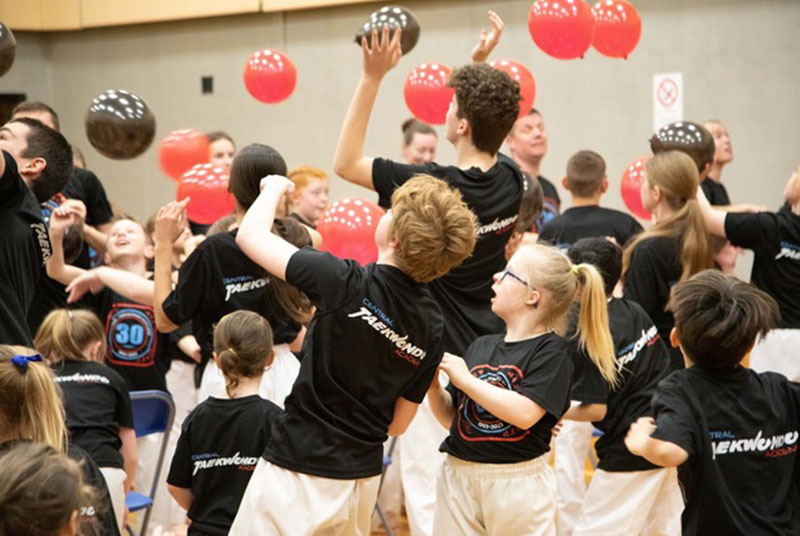
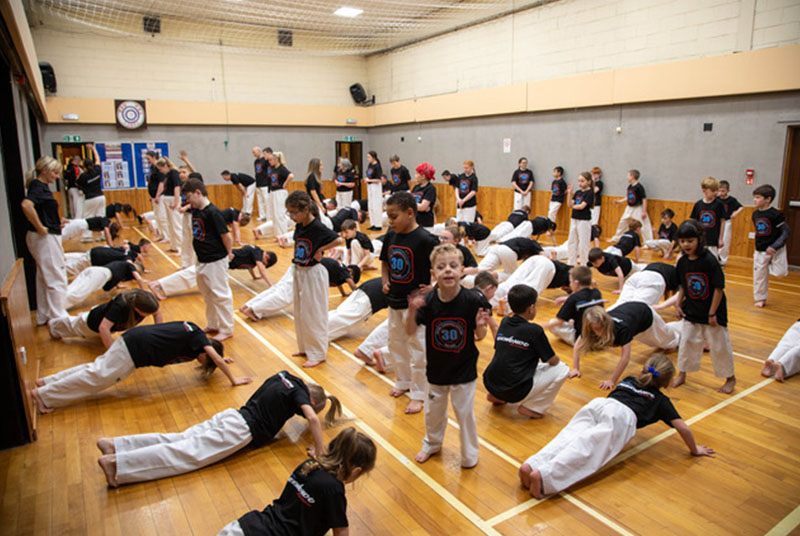
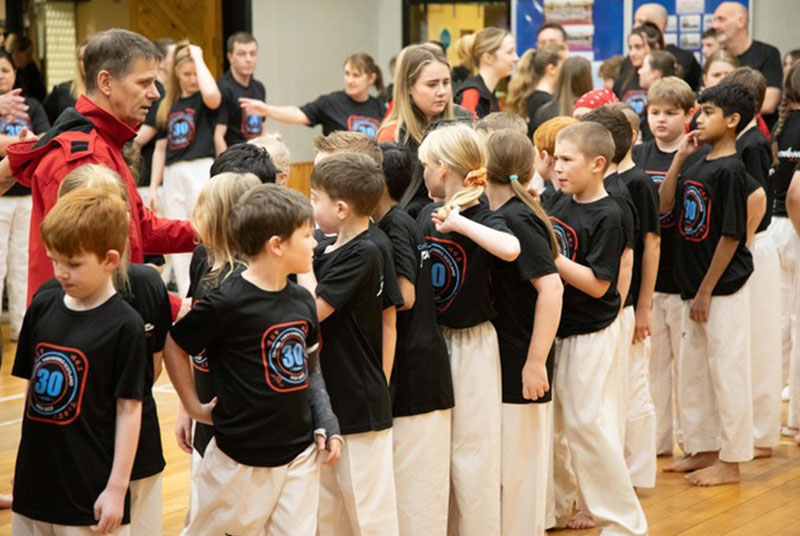
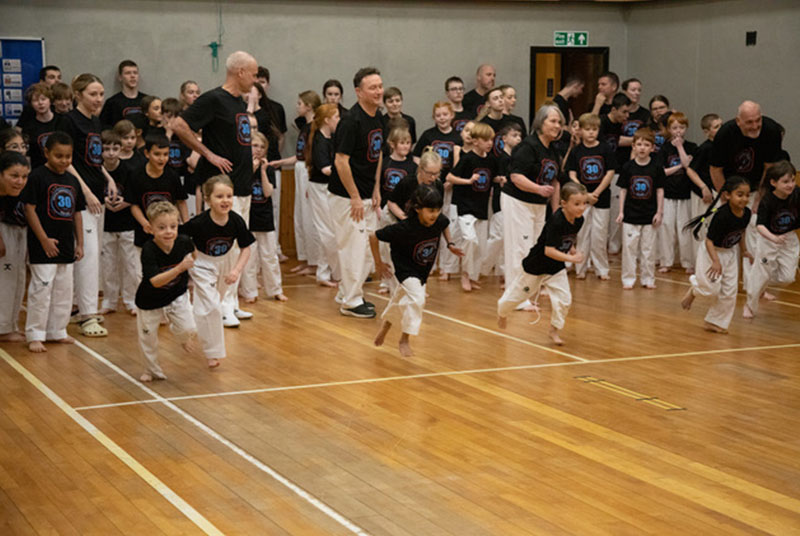
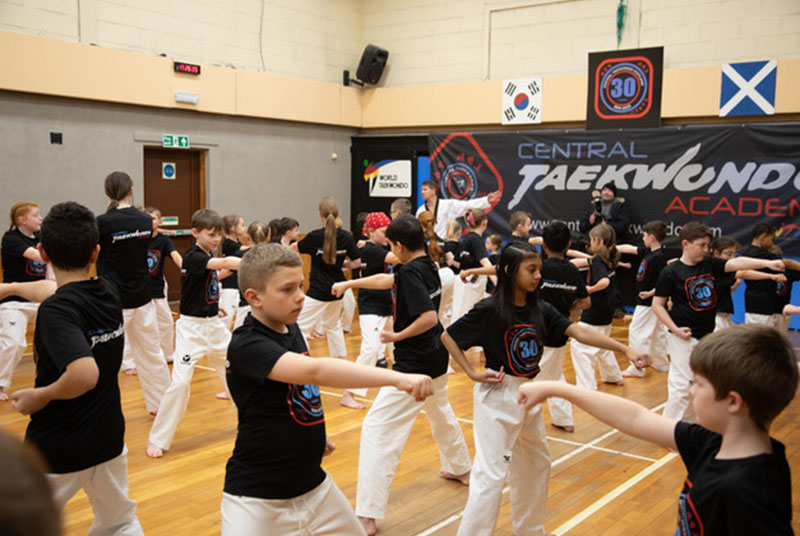
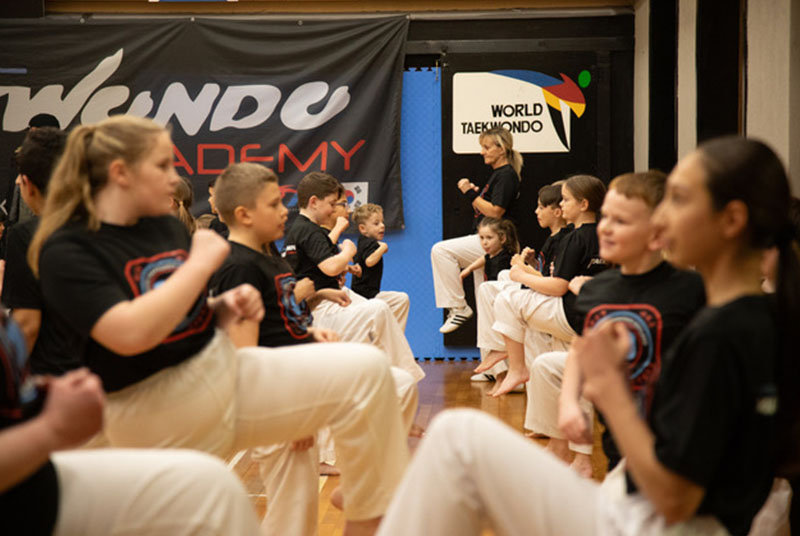
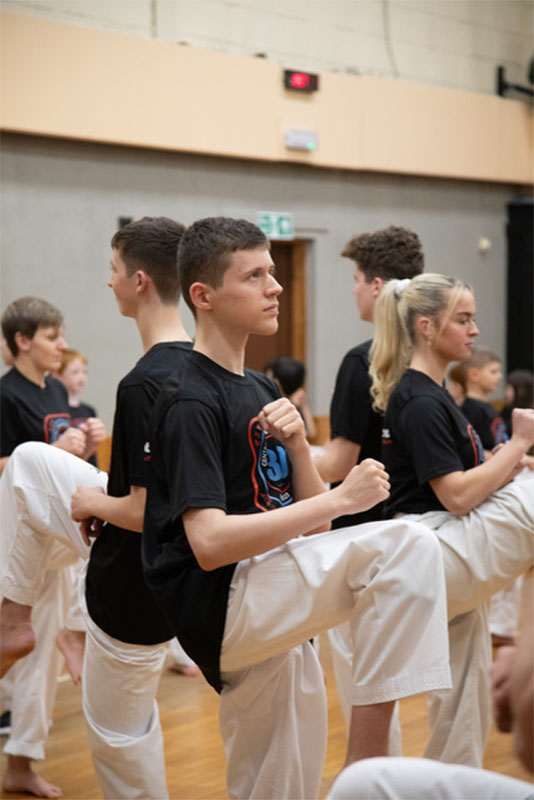
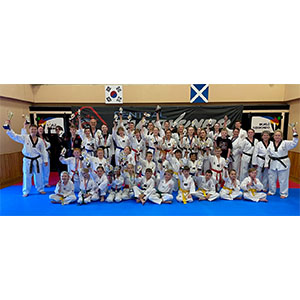
To mark 30 years of Central Taekwondo Academy we held a mass training session on Thursday 30th November 2023.
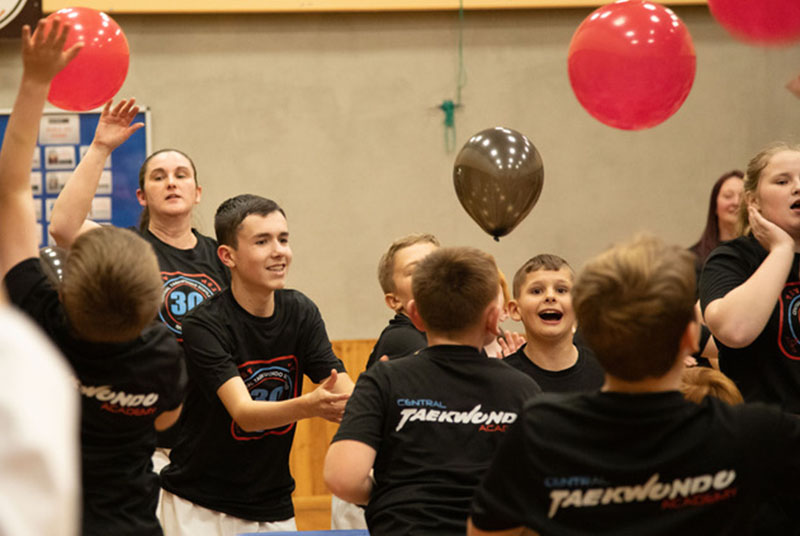
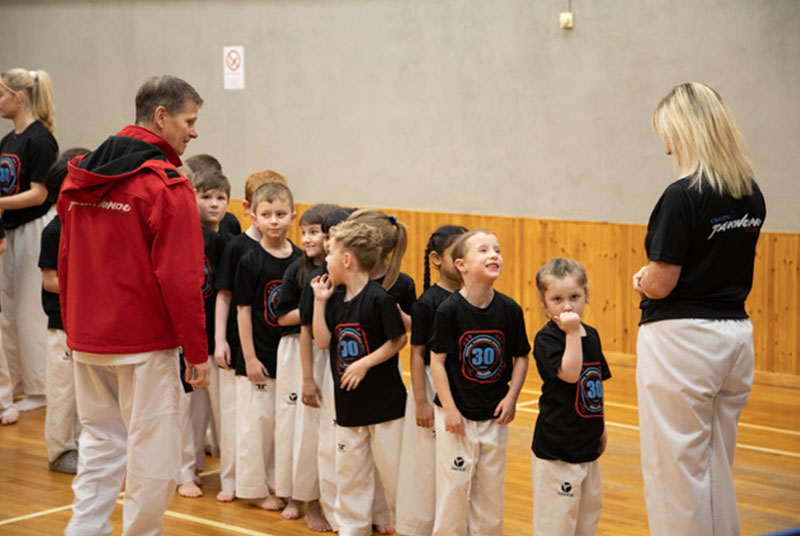
120 members were presented with a commemorative t-shirt and a big group photo was taken.
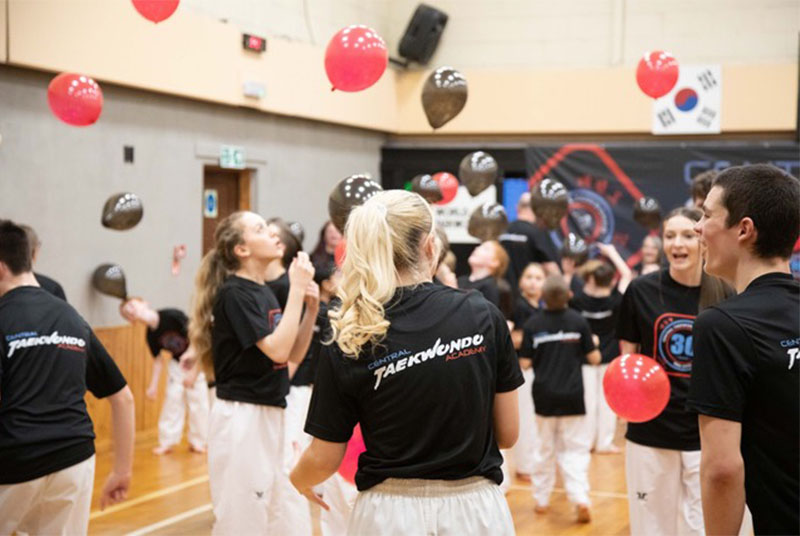
This was followed by a party with lots of fun and games and a delicious 30th anniversary cake.
30 YEARS OF CENTRAL TAEKWONDO
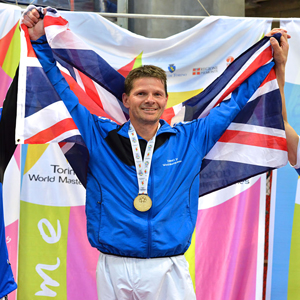
Central Taekwondo Academy celebrated it’s 30th Anniversary on 30th November 2023. The club provided every member with a commemorative t-shirt and over 120 members turned up to help mark the occasion.
BLACK BELTS 2023
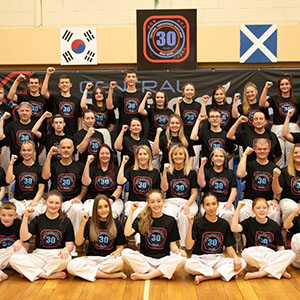
Our annual Black Belt photo was taken on the occasion of our 30th Anniversary, with 40 Central Academy Black Belts attending.
TAEKWONDO SCOTLAND GRADING
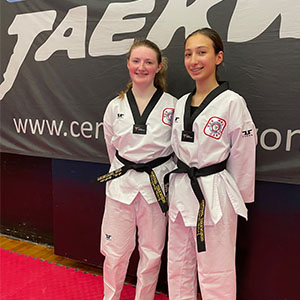
At the Taekwondo Scotland Dan Grading hosted by Central Academy on Sunday 19th November 2023, two Central members were promoted to black belt.
Congratulations to Asal Emadi 1st Poom and Rubi Ballingall 1st Dan.
CLUB POOMSAE CHAMPIONS
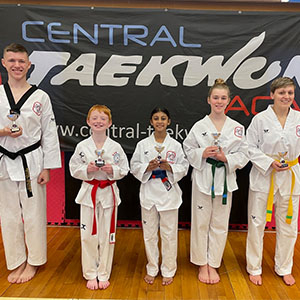
Our club poomsae championships was held on Sunday 12th November.
Individual belt champions 2023
Yellow Belt - Ali Smillie
Green Belt - Lucy Sellwood
Blue Belt - Khawlah Nazeerkhan
Red Belt - Thomas Dewar
Black Belt - Peter Sellwood
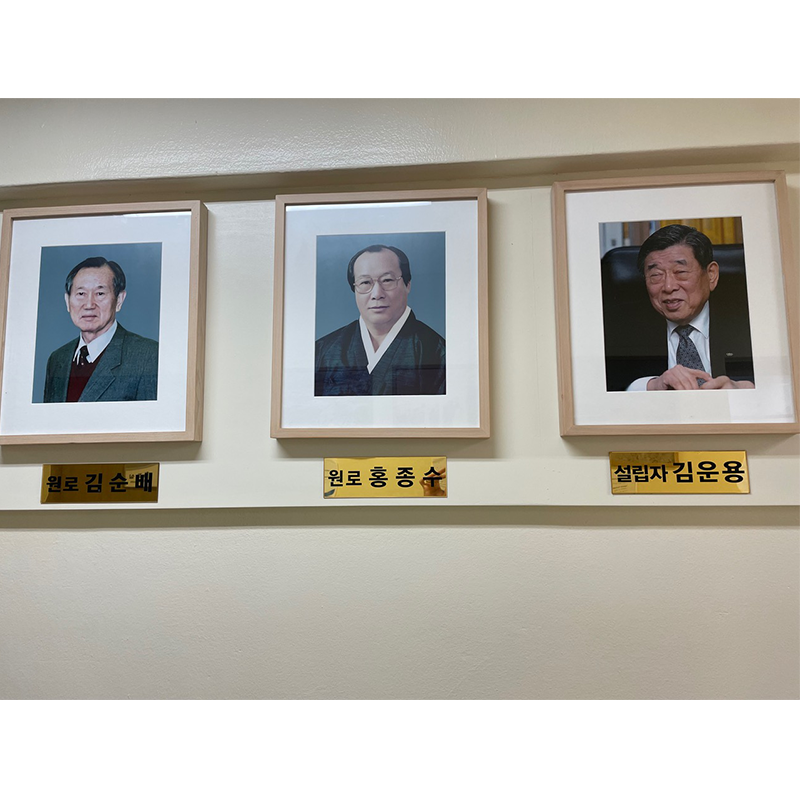
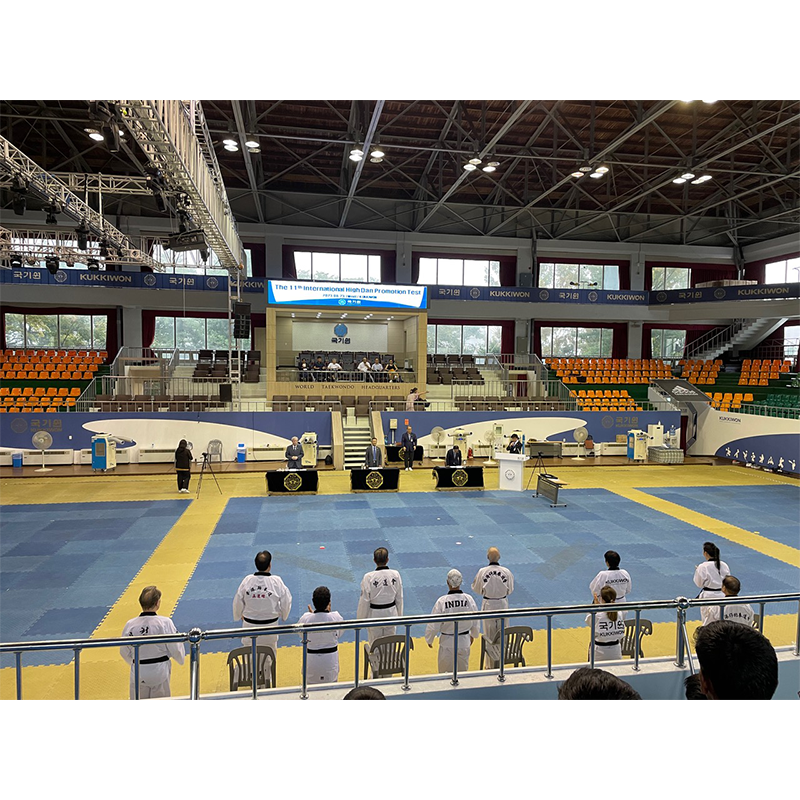
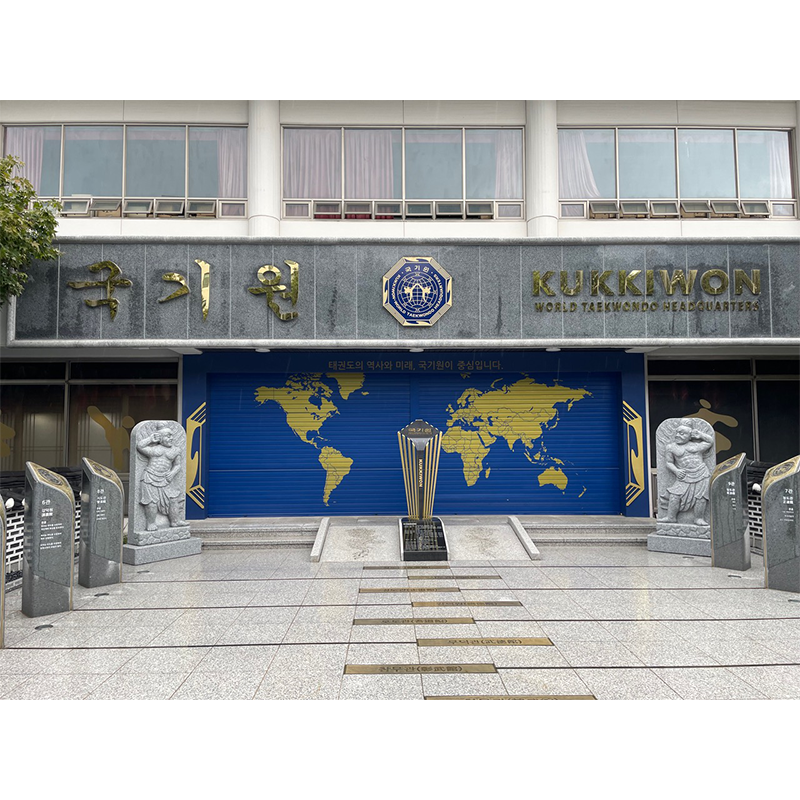
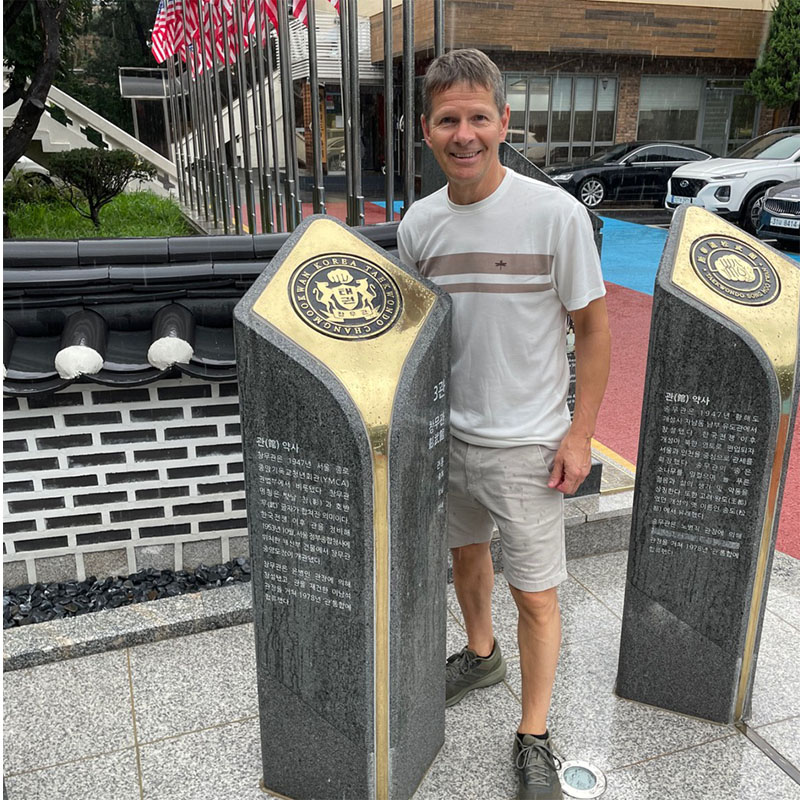
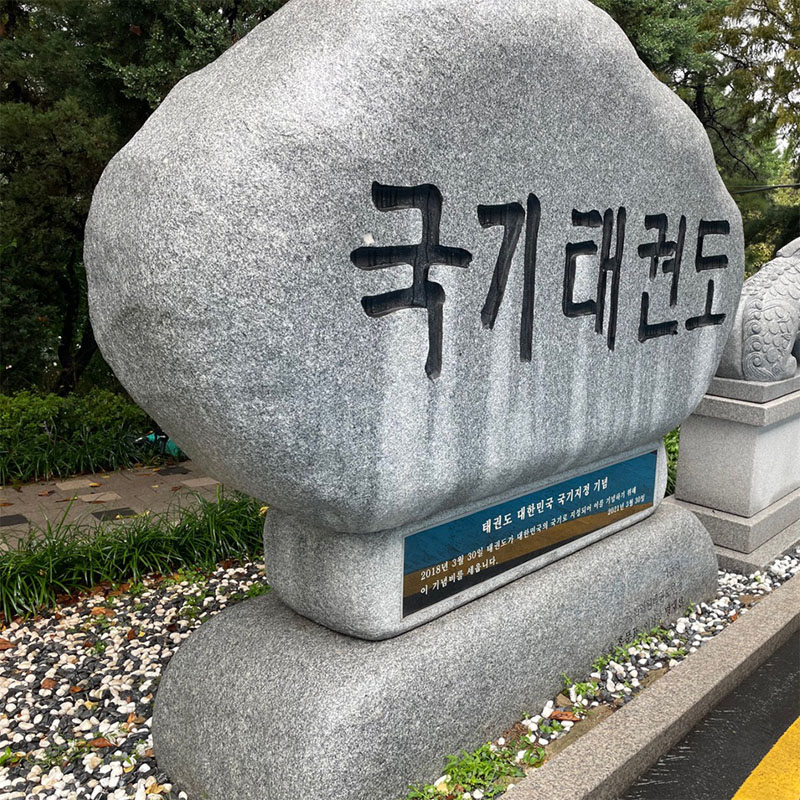
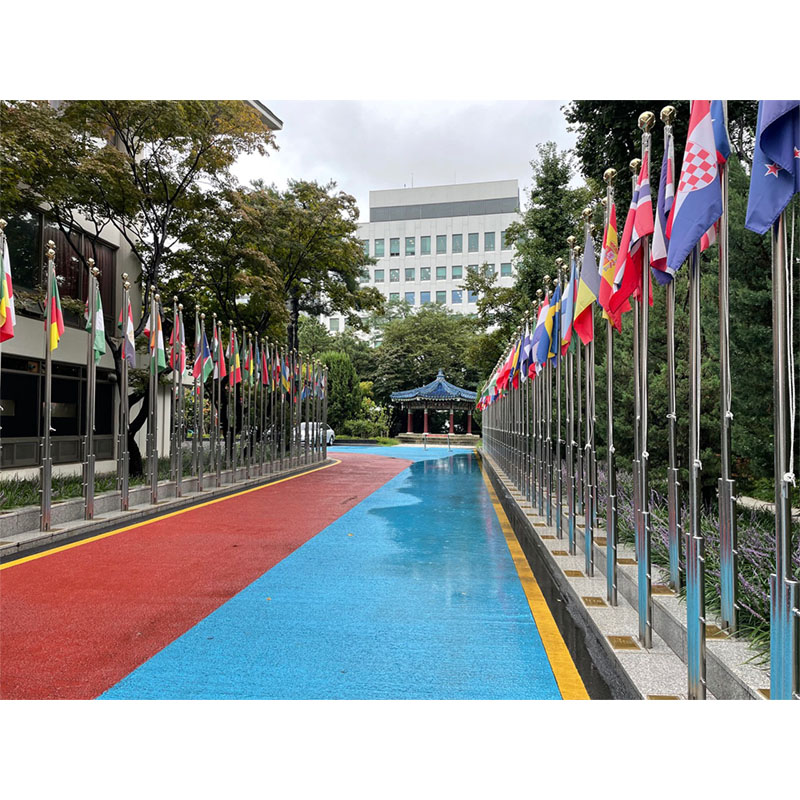
KUKKIWON VISIT
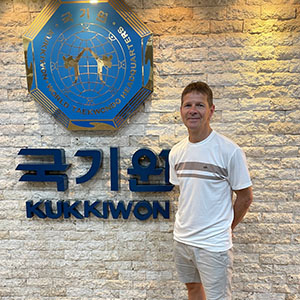
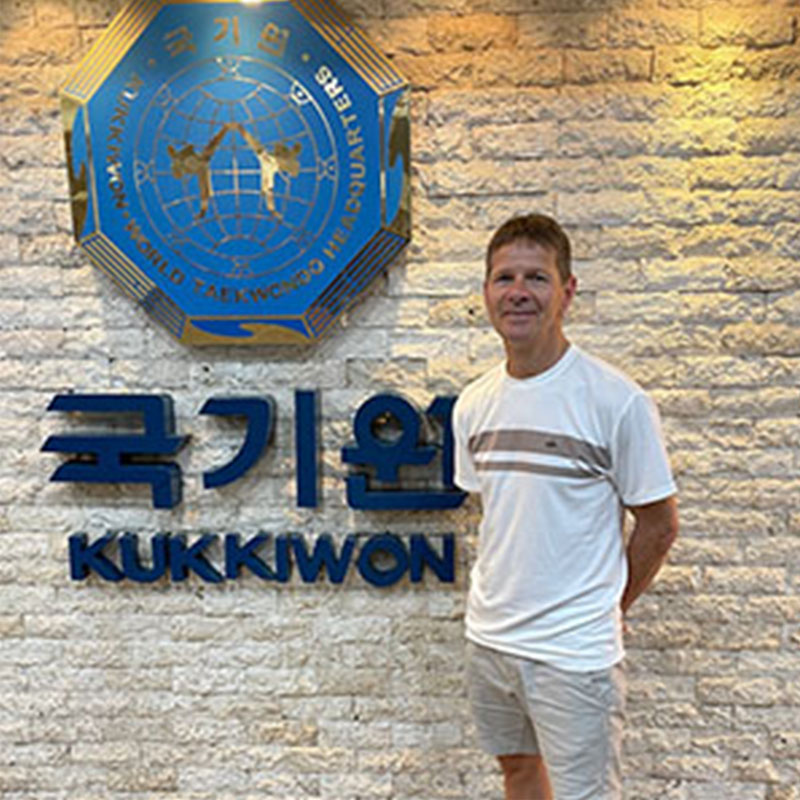
On a recent visit to Korea to officiate at the Chuncheon World Taekwondo Cultural Festival, GM Bailey took time out to visit the Kukkiwon World Taekwondo Headquarters.
EUROPEAN POOMSAE CHAMPIONSHIPS
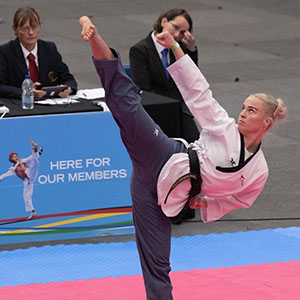
Natasha Wilson has been selected to represent Great Britain at the European Poomsae Championships to be held in Austria from 24th to 26th November 2023. Natasha will be competing in the Individual U30F category as well as the U30 Pairs. Everyone at Central wishes Natasha the best of luck.
BLACK BELT GRADING
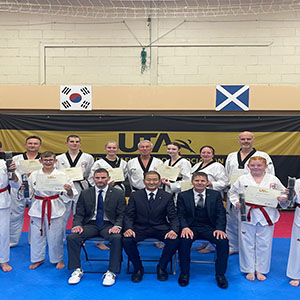
Congratulations to the 13 successful dan grading candiaf=dates at the 70th UTA Dan Grading held on 21st October 2023.
BRITISH POOMSAE CHAMPIONSHIPS
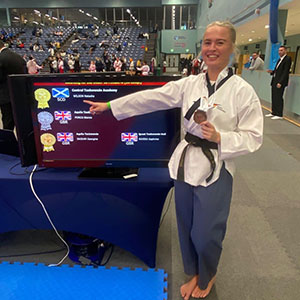
Central Academy players took 4 individual and one pairs British Titles at the National Poomsae Championships held in Worcester on 14th & 15th October 2023.
Natasha Wilson retained her Dan U30 title - her 12th national title in 10 years!
NATIONAL CHAMPIONS
The Scottish National Championships took place in Bellahouston, Glasgow on Sunday 4th June 2023.
Central had a team of 32 poomsae players and 16 kyorugi players competing at the event.
It was a very successful day for Team Central!
WORLD CLASS PROGRAMME
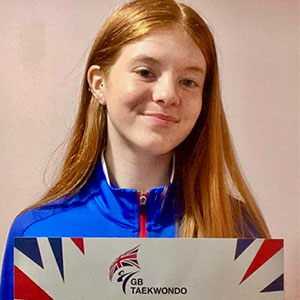
Exciting news!! Teigan Smith is about to follow in her big sister’s footsteps and join the GB Taekwondo World Class Programme in Manchester. From the beginning of July she will become a full time athlete training at the National Academy, with an end goal of the 2028 Olympics.
Teigan, who is 16 and just about to leave Larbert High School, started training with Central Academy a couple of months before her 4th birthday!

MSP VISIT
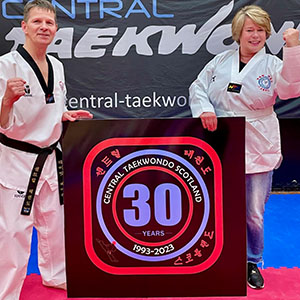
The Member of Scottish Parliament for Falkirk East, Michelle Thomson, visited Central Taekwondo Academy on Monday 3rd April 2023. Michelle, who has raised motions in parliament to congratulate Central Academy on recent successes, was really impressed with the community spirit and discipline shown by the Central students of all ages and backgrounds. She enjoyed some amazing demonstrations from Central’s senior athletes and helped us launch our new “30 Year Logo”. A big thank you to Michelle for her fantastic support of our club.
4TH DAN SUCCESS
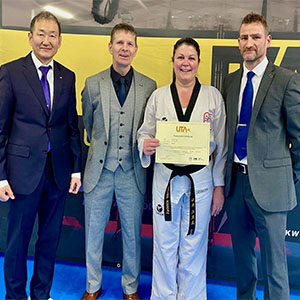
Nicky Scott produced a tremendous performance at the 69th UTA Dan Grading at Gajok Taekwondo Academy on Saturday 1st April. Nicky becomes our latest member to achieve 4th Dan Back Belt. Congratulations to Nicky, who did us proud.
Centre Referee
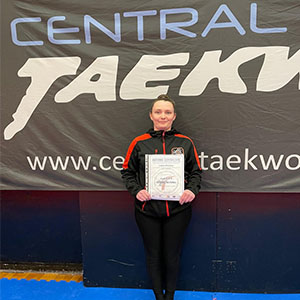
Congratulations to 2nd Dan Laura Perrow, who has qualified as a Kyorugi Centre Referee with the British Taekwondo Kyorugi Referee Department.
LANARKSHIRE OPEN CHAMPIONSHIPS
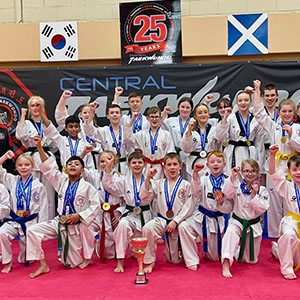
A fantastic weekend for Central Academy at the Lanarkshire Open Championships, held at Wishaw Sports Centre over the weekend of 4th & 5th Feb 2023.
Every single Central player came away with a medal and on the Saturday at the Poomsae event the team won the overall 1st Place Team Trophy.
A big thank you and massive congratulations goes out to all the players, coaches, officials, volunteers and supporters.
CLUB POOMSAE CHAMPIONS 2022
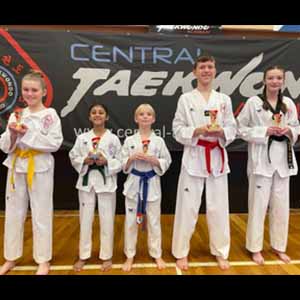
Well done to the 27 players who took part in our 6th Club Poomsae Championships on Saturday 26th November. It was a great competition. Thanks to our officials and everyone who supported the event. Congratulations go to this years Club Poomsae Champions. Yellow Belt - Lucy Sellwood, Green Belt - Khawlah Nazeerkhan, Blue Belt - Lauren Halliday, Red Belt - Peter Sellwood and Black Belt - Katie Smyth. 
FRENCH OPEN CHAMPION
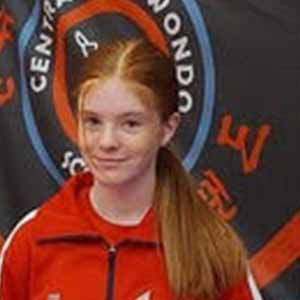
A massive congratulations to Coach Darren’s daughter Teigan Smith who has just become French Open Champion 2022!!
Teigan gave her best performance to date in Paris winning four matches against top opposition on her way to the Gold Medal.
She defeated Belgium, France, Canada and Spain. A fantastic achievement!!
BRITISH POOMSAE CHAMPIONSHIPS
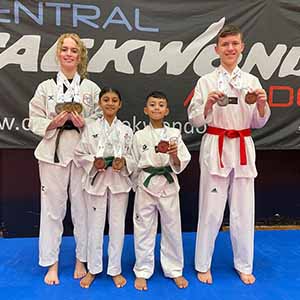
Central had a small but successful team at the British Taekwondo National Poomsae championships over the weekend of 12th & 13th November 2022 held at Worcester University Arena.
DAN GRADING SUCCESS
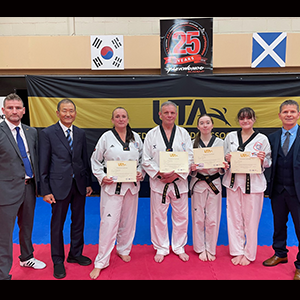
On Saturday 1st Oct 22 Central Academy hosted the 68th UTA Black Belt Grading. Central had four black belt members amongst the 26 candidates who came from all over the UK.

NATIONAL CHAMPIONS
Central had a great day at the British Taekwondo National Championships in Sheffield on Sat 24th Sept 22. Teigan Smith and Max Cartwright were both crowned “British Champion 2022” in their respective categories.
Worlds Selection for Teigan
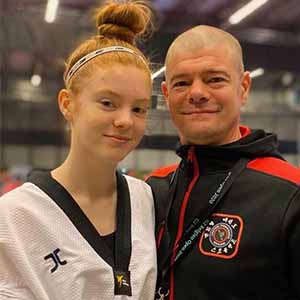
Teigan Smith has been selected to represent Great Britain at the Junior World Championships in Sofia, Bulgaria from 4th to 7th August 2022.
Back in 2018 big sister Jordyn became Junior World Champion and subsequently went on to spend four years on the Olympic Programme at the National Taekwondo Academy in Manchester.
MAX SELECTED FOR WORLDS
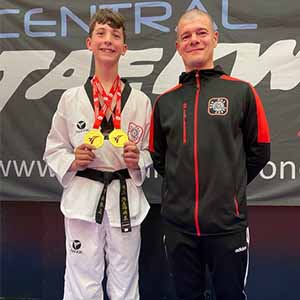
After winning both the selection events, Max Cartwright has been selected to represent Great Britain at the WT Cadet World Championships, which take place in Sofia, Bulgaria from 28th to 31st July 2022.
ASSISTANT COACH AWARD
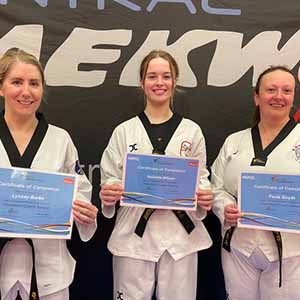
Four of our senior Black Belts have been undergoing training on the British Taekwondo Education Programme.

Loading...